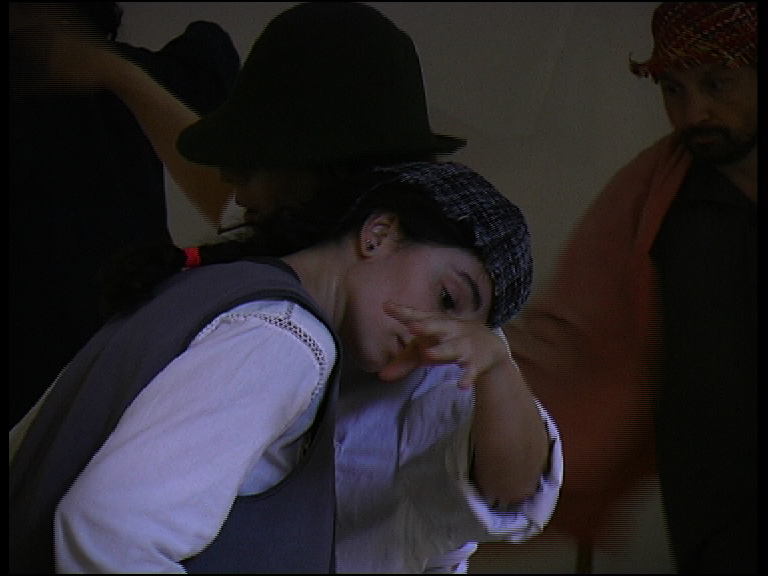
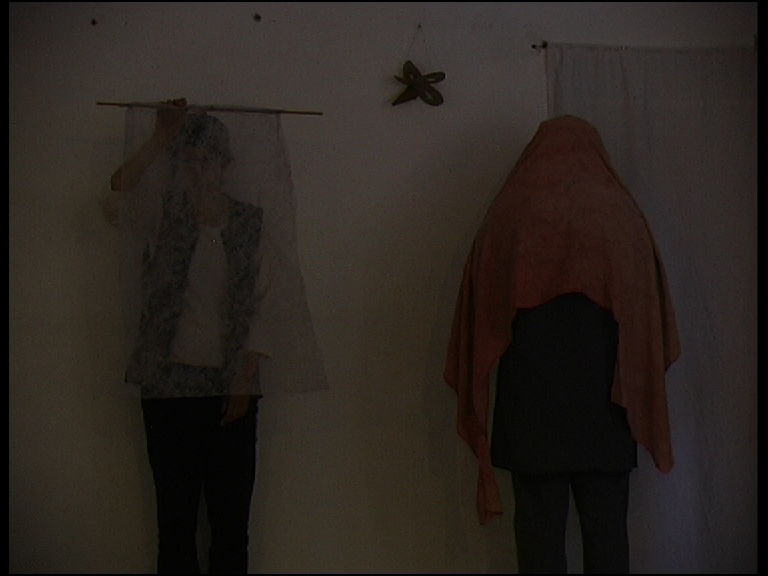
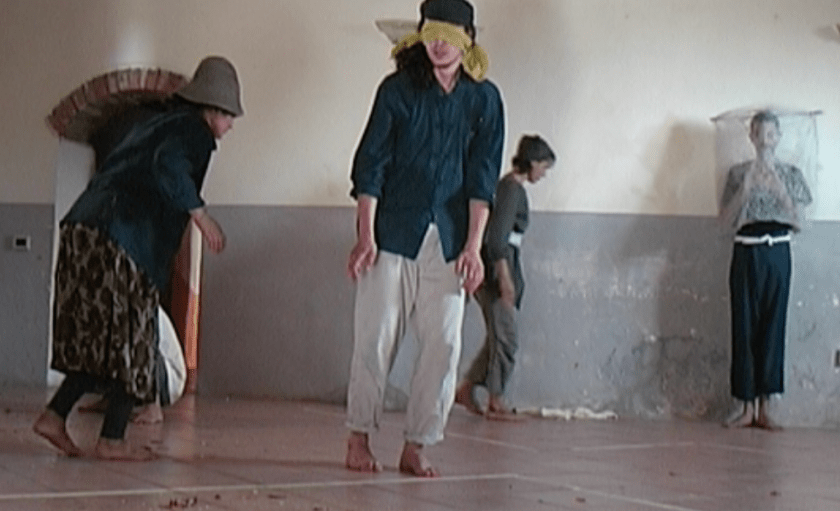
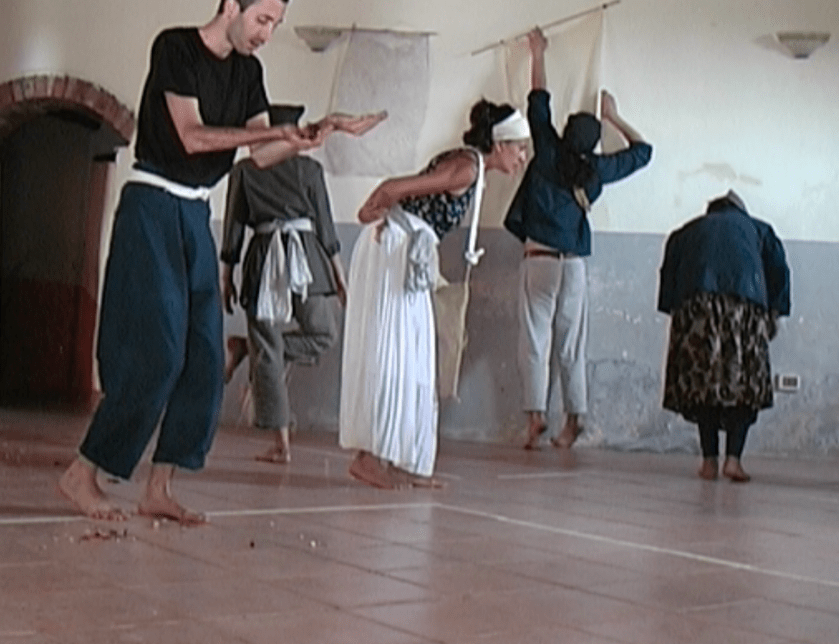
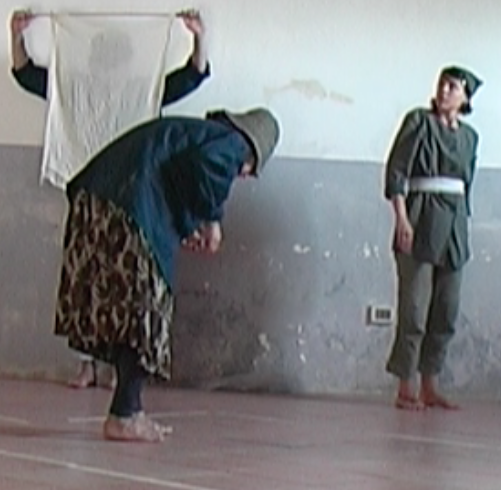
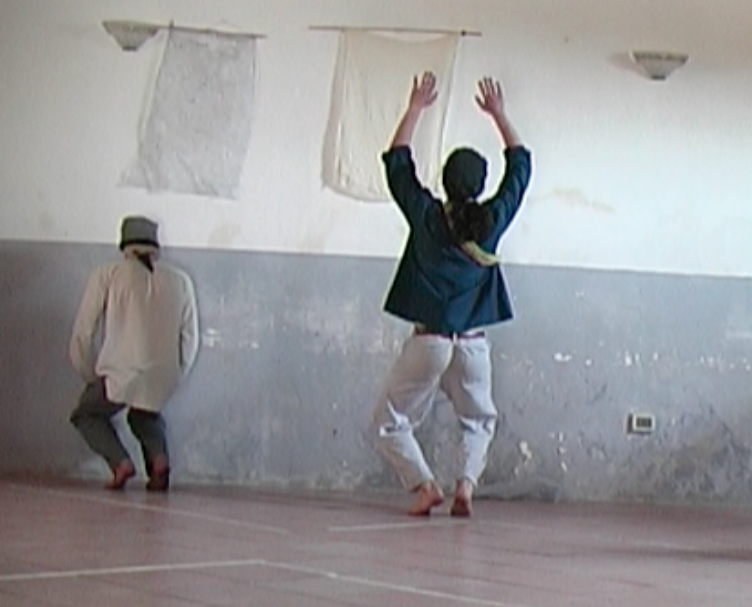
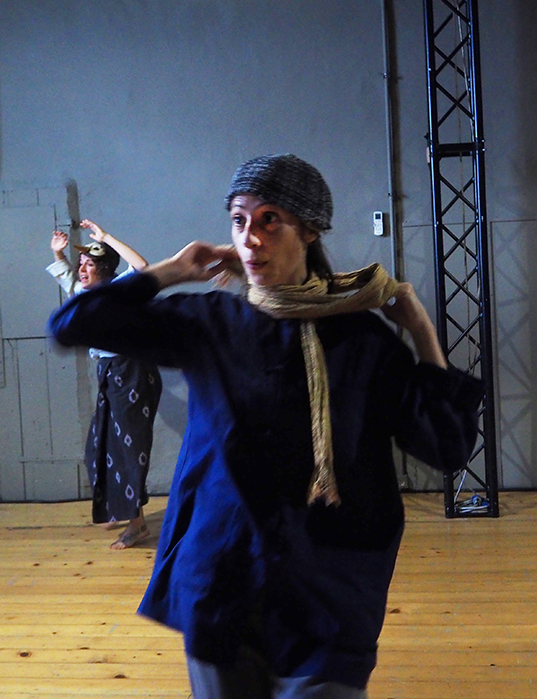
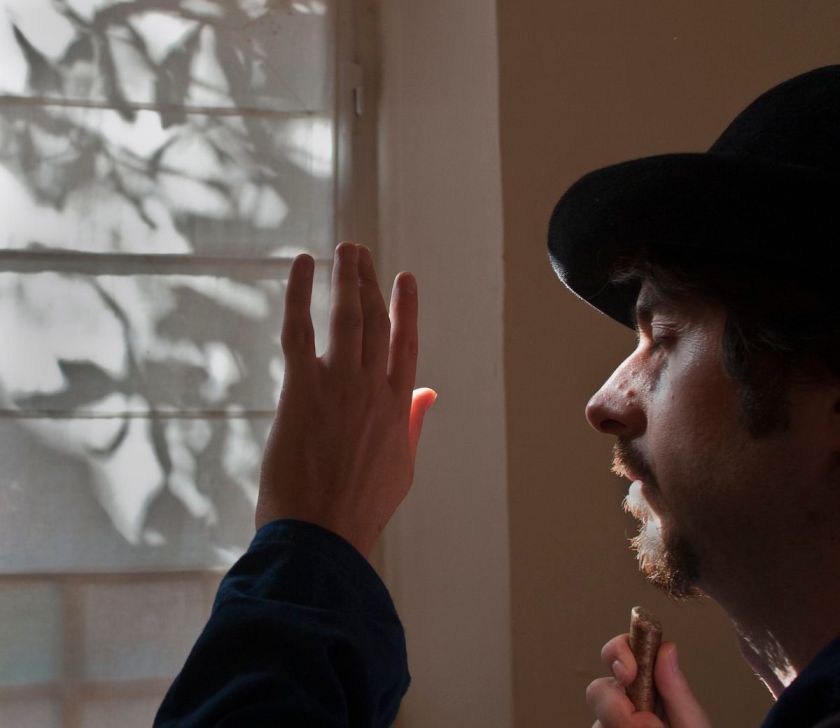
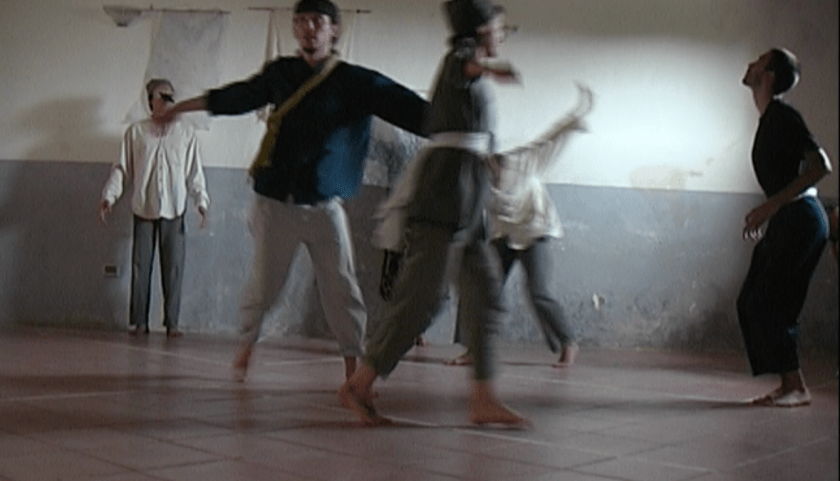
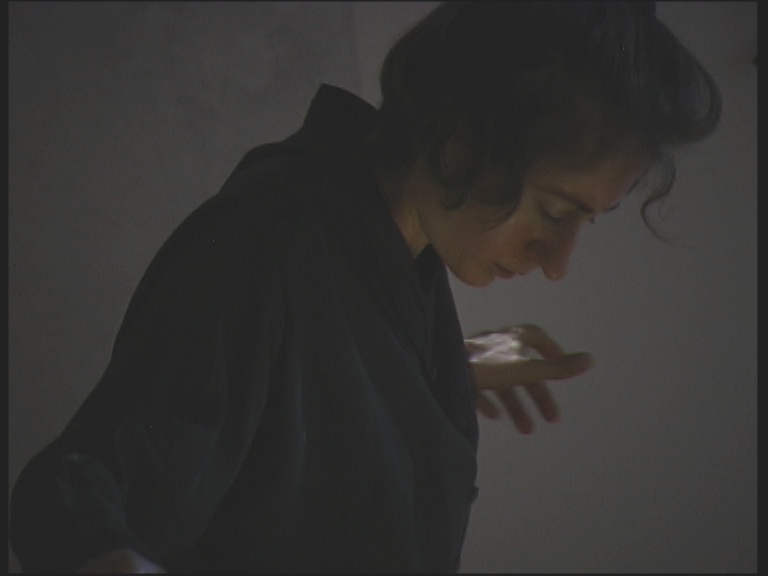
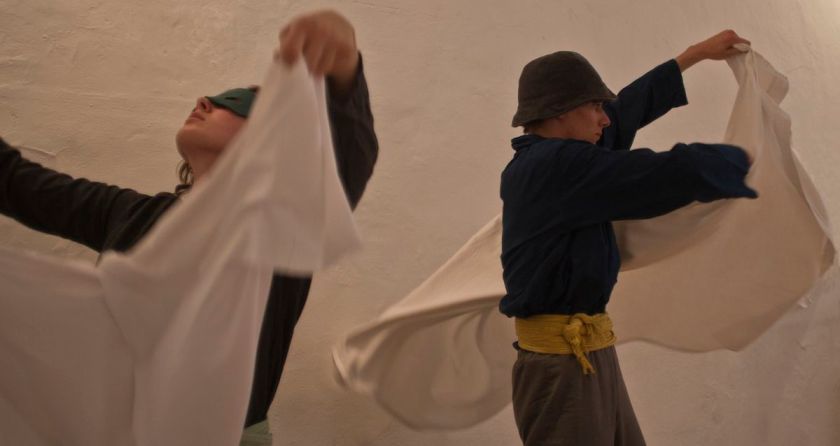
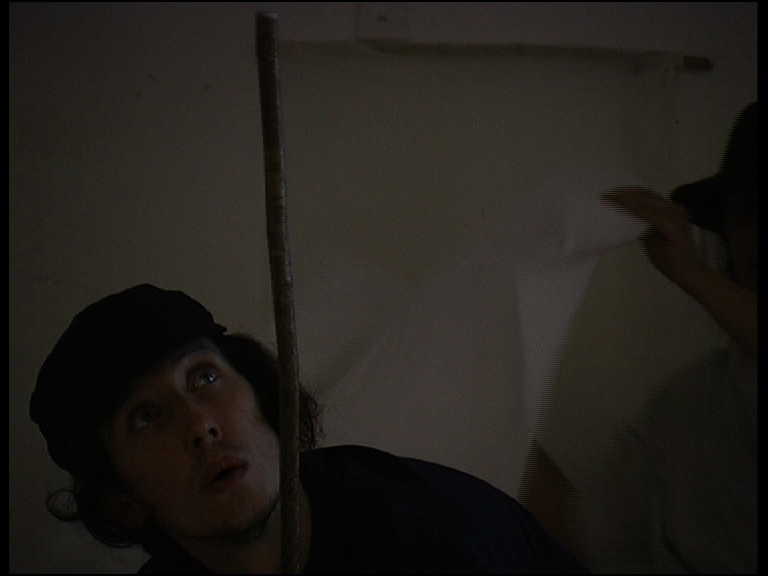
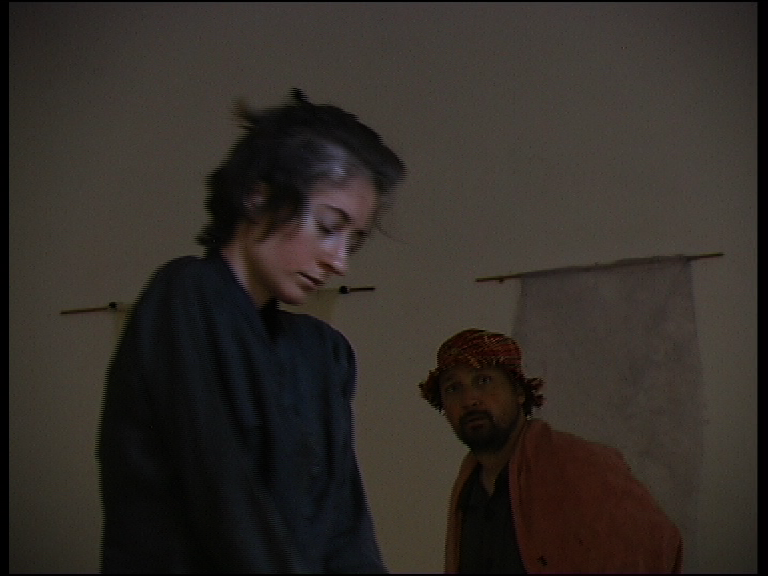
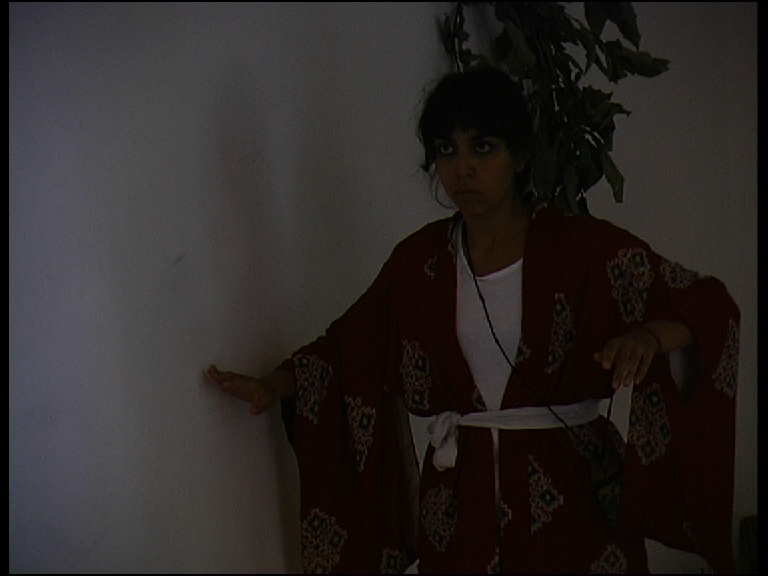
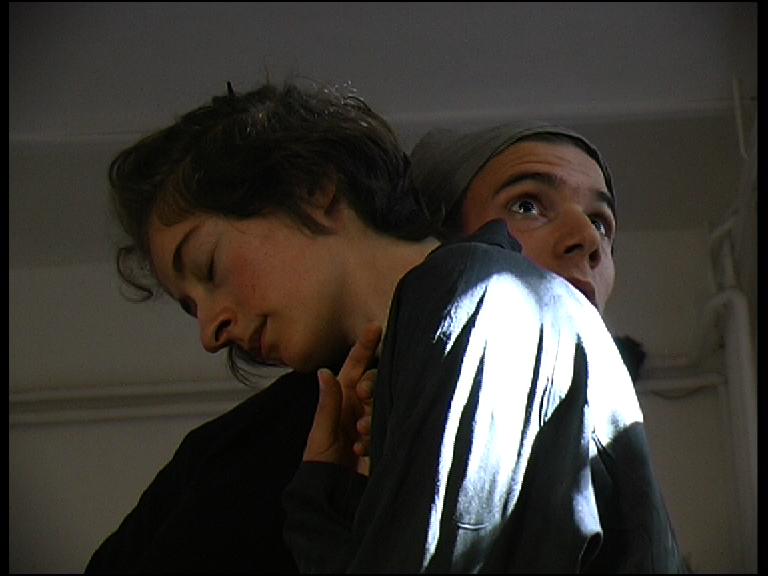
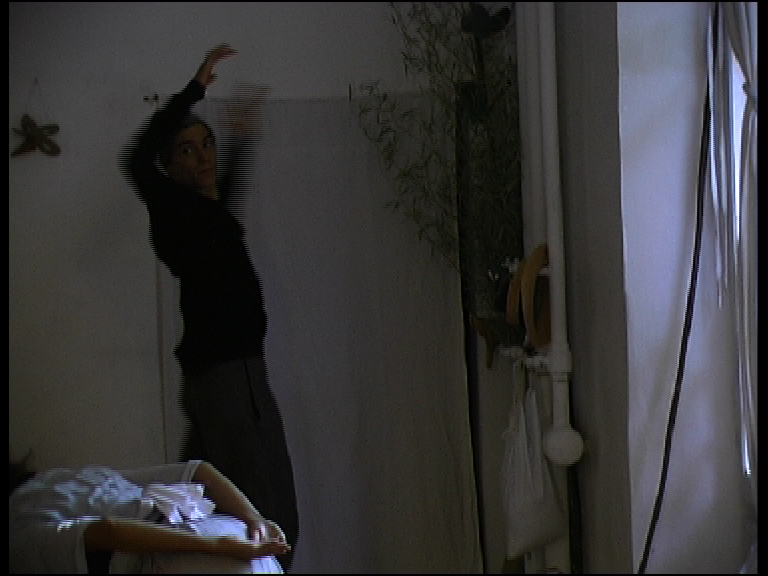
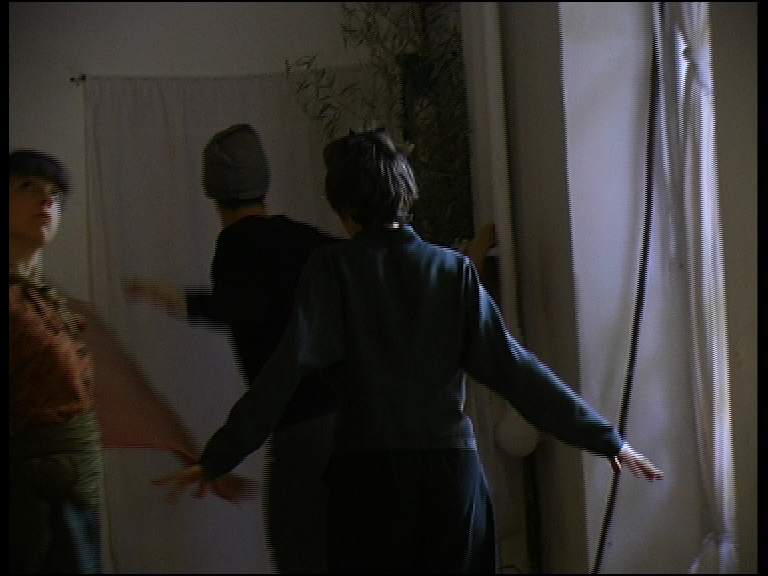
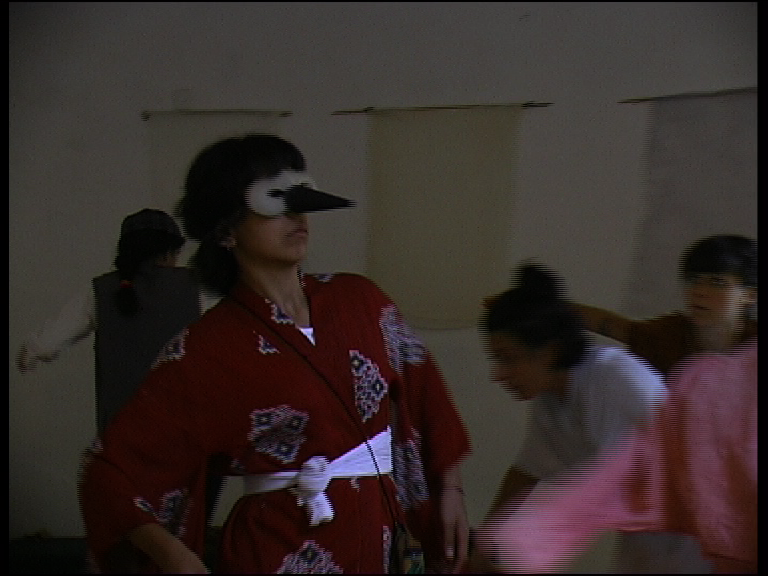
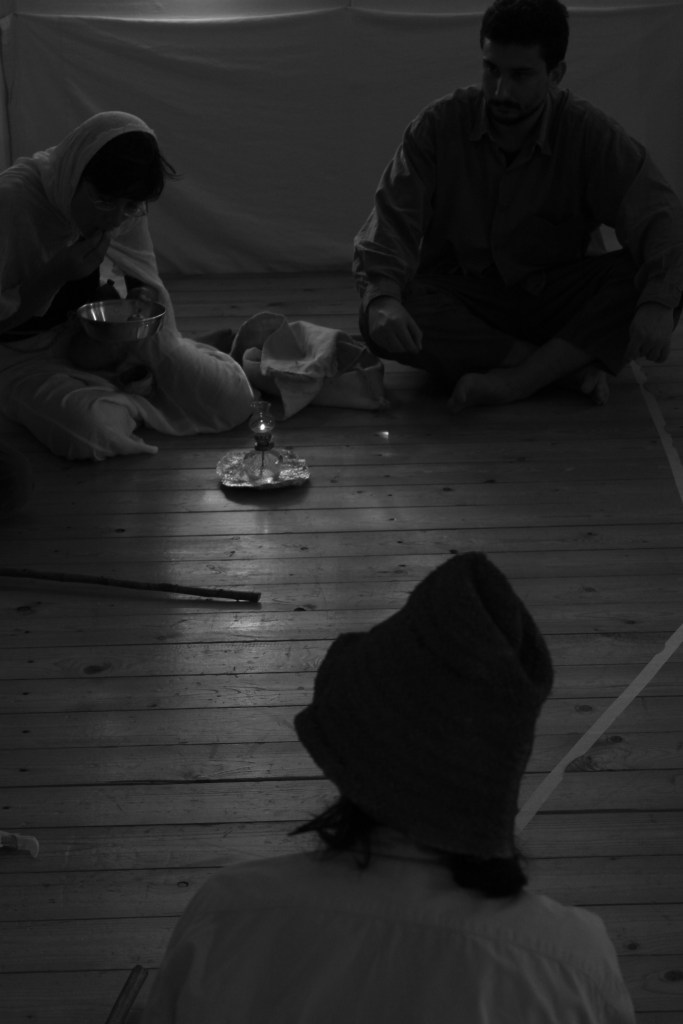
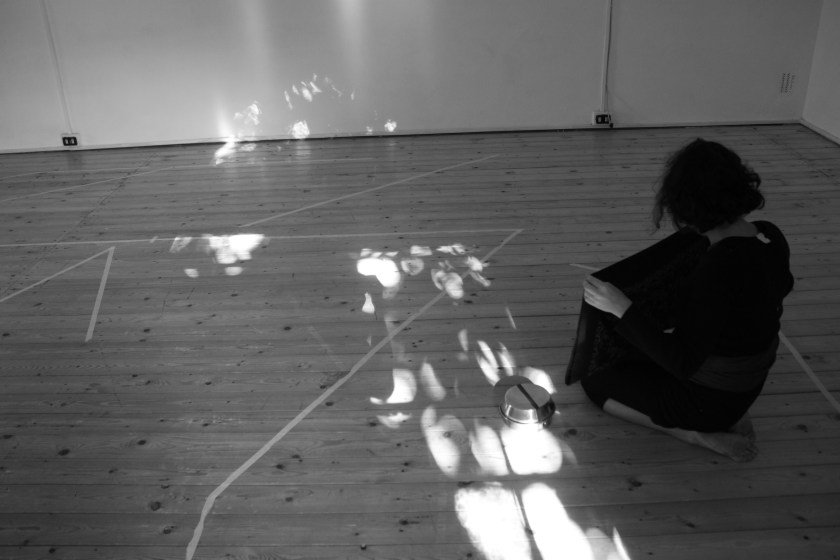
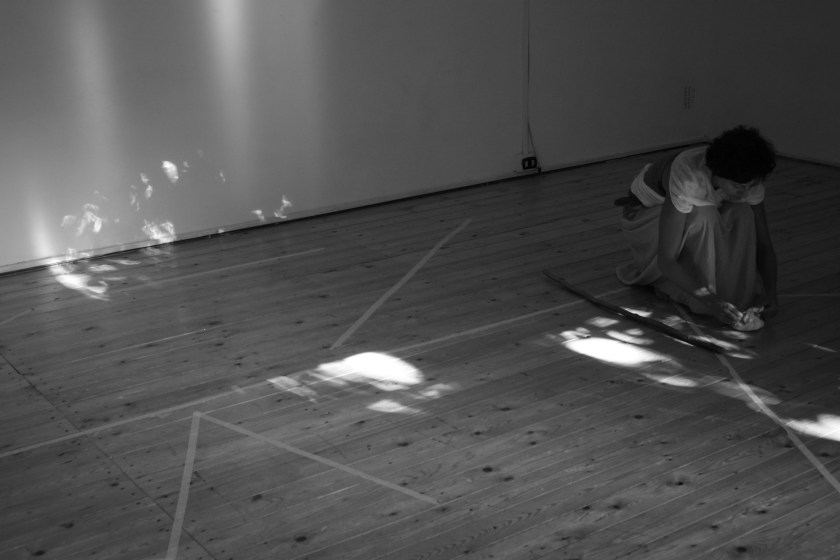
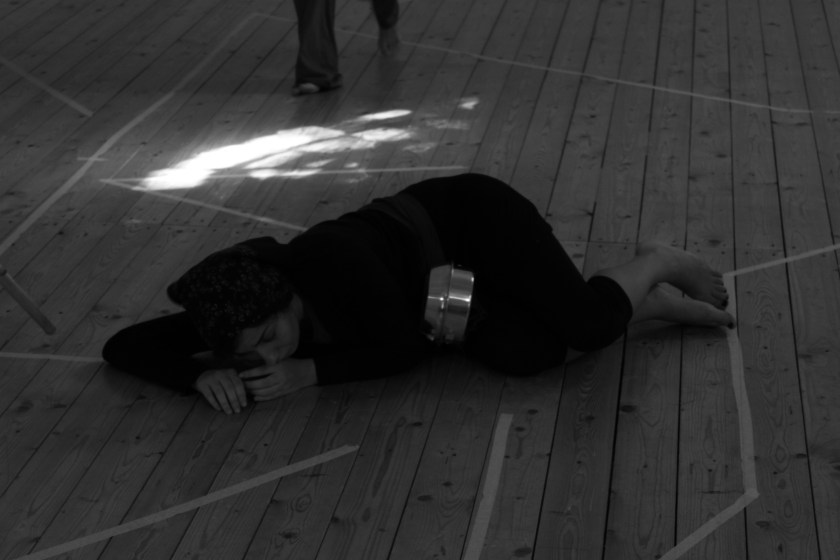
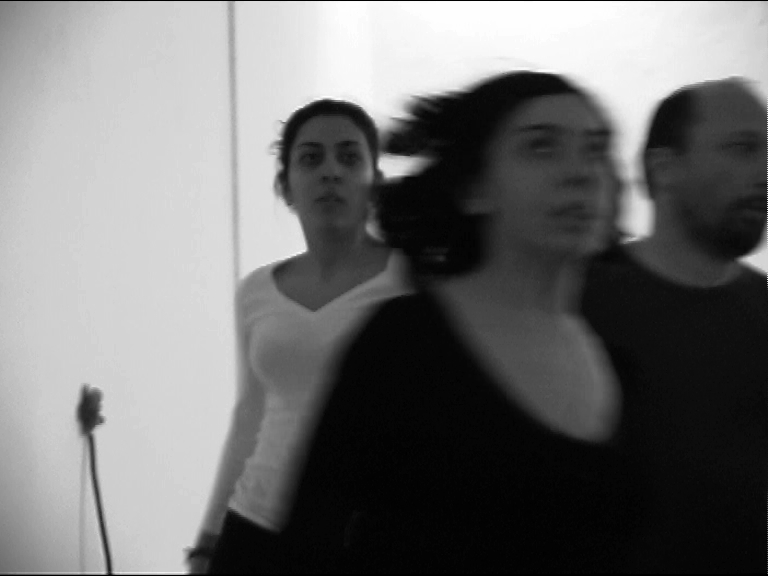
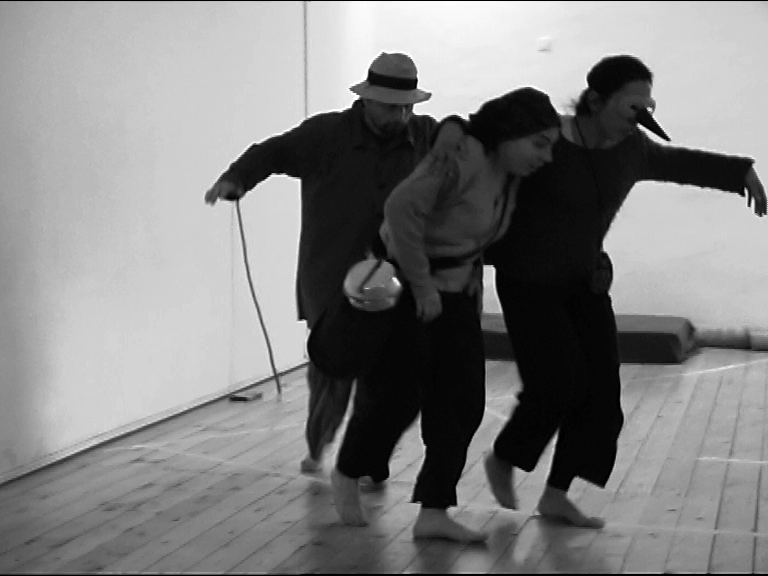
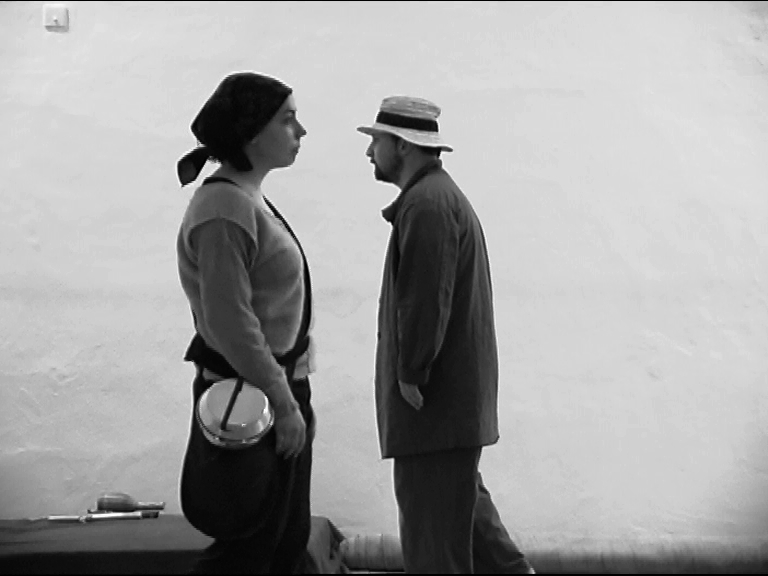
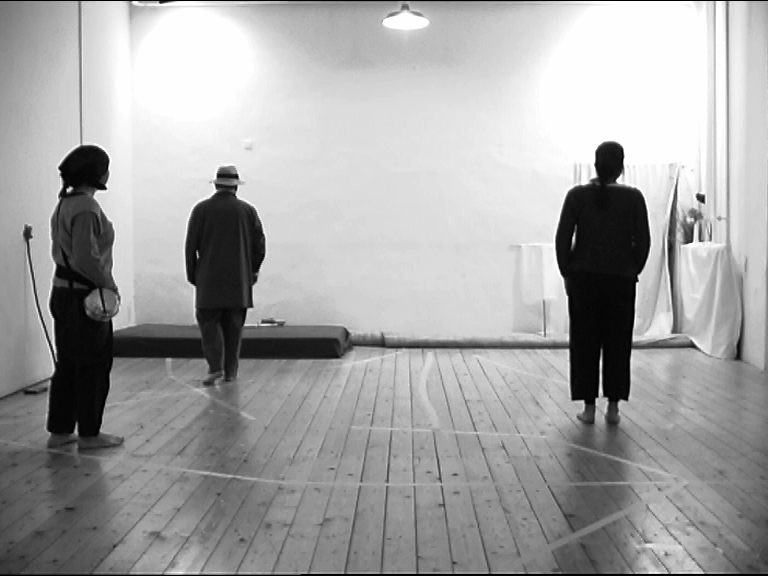
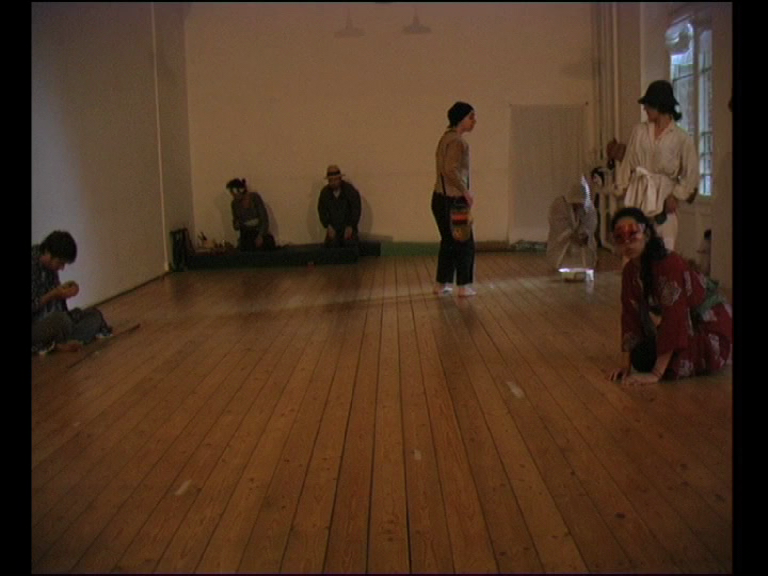
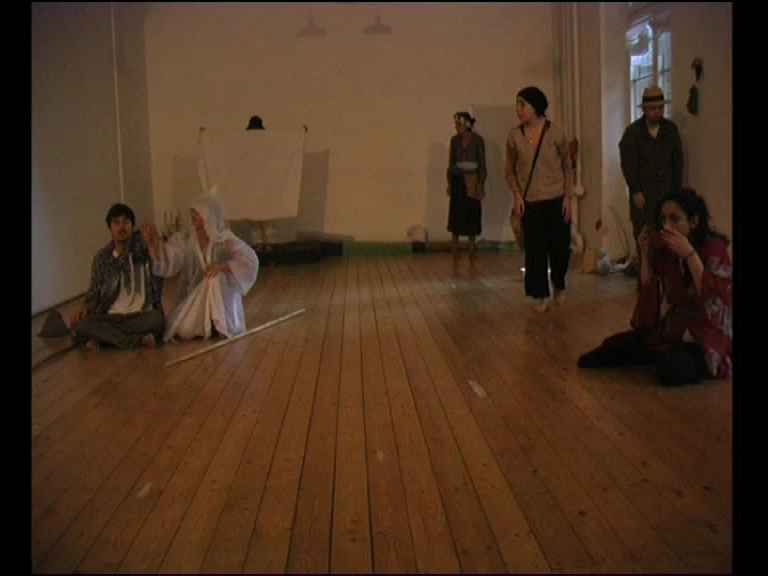
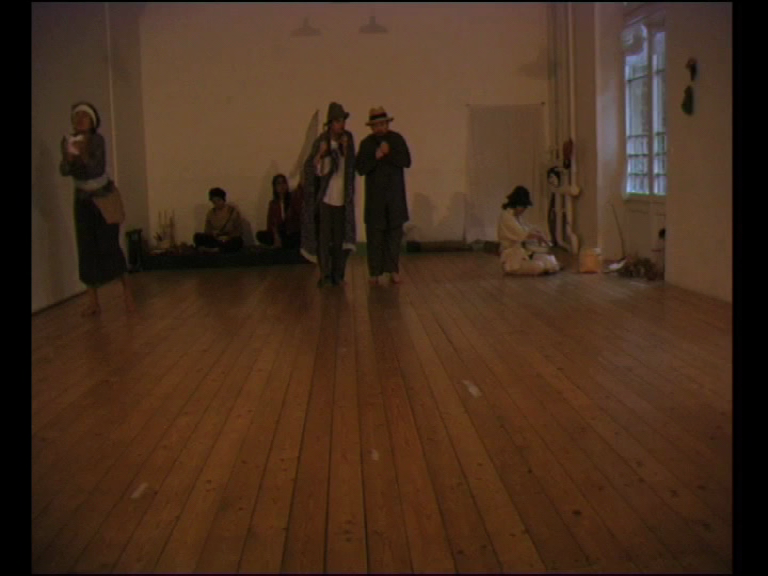
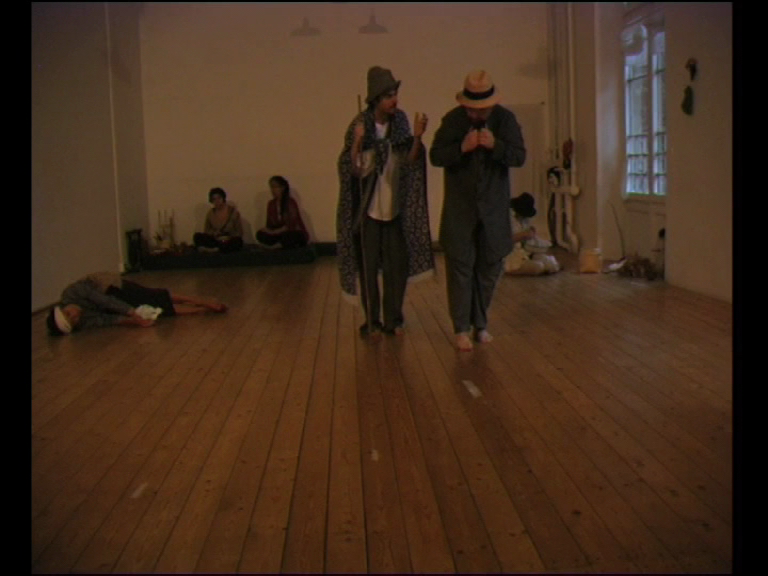
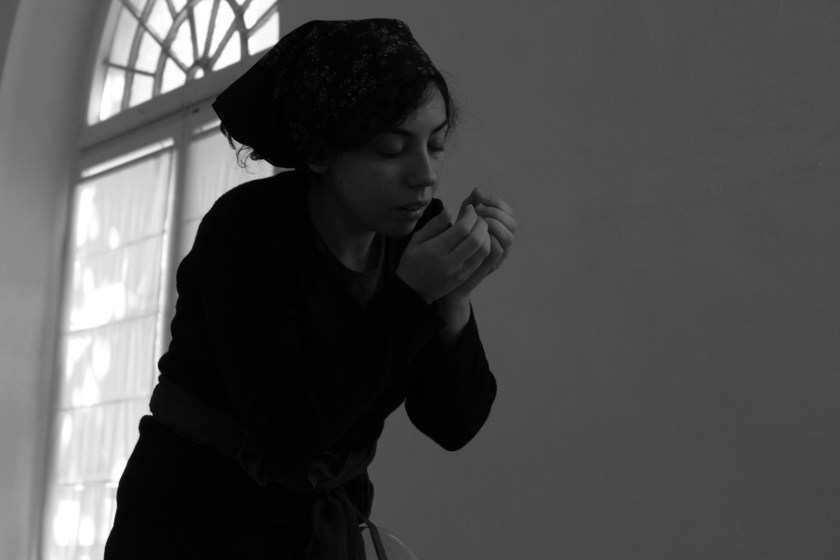
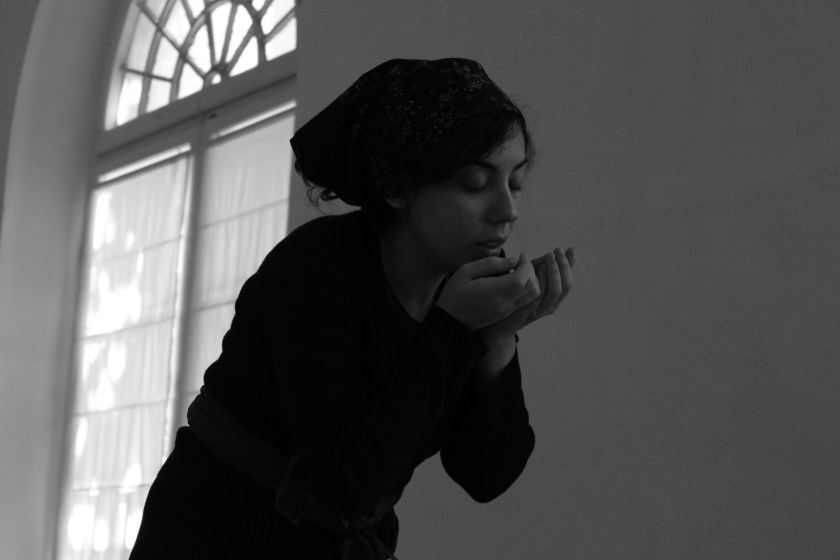
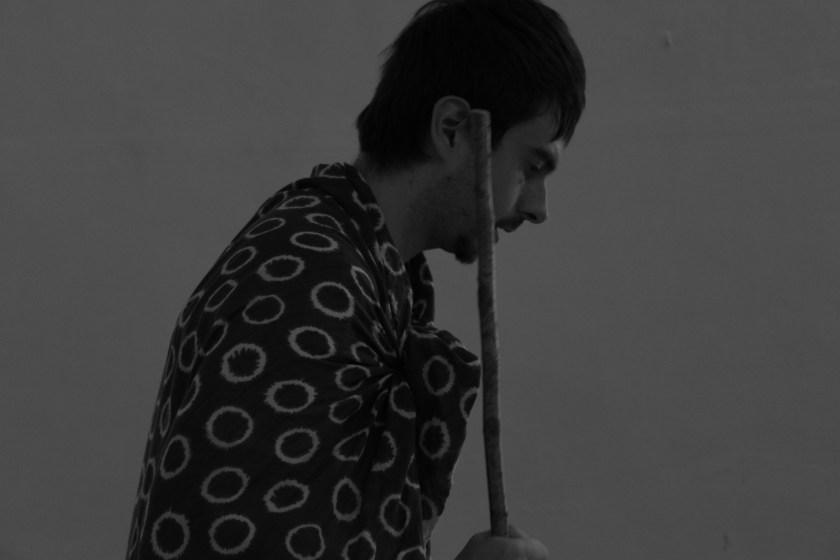
Il laboratorio sugli haiku chiamato “Tracce” è stato un laboratorio di ricerca sull’arco di otto anni, inteso come un work in progress, che ha dato luce a diverse versioni di uno spettacolo in continua evoluzione. Ognuna di queste versioni è stata presentata a un pubblico, e ha rappresentato una tappa in sé compiuta.
Luoghi: Corte dei Miracoli, Capanno di Ribatti, Podere Noceto, Pieve di Molli, Fara in Sabina.
The haikus workshop called “Tracce” was a research workshop over an eight-year period, intended as a work in progress, which gave rise to several versions of an ever evolving play. Each of these versions was presented to an audience, and represented a fulfilled stage in itself.
Locations: Corte dei Miracoli, Capanno di Ribatti, Podere Noceto, Pieve di Molli, Fara in Sabina.
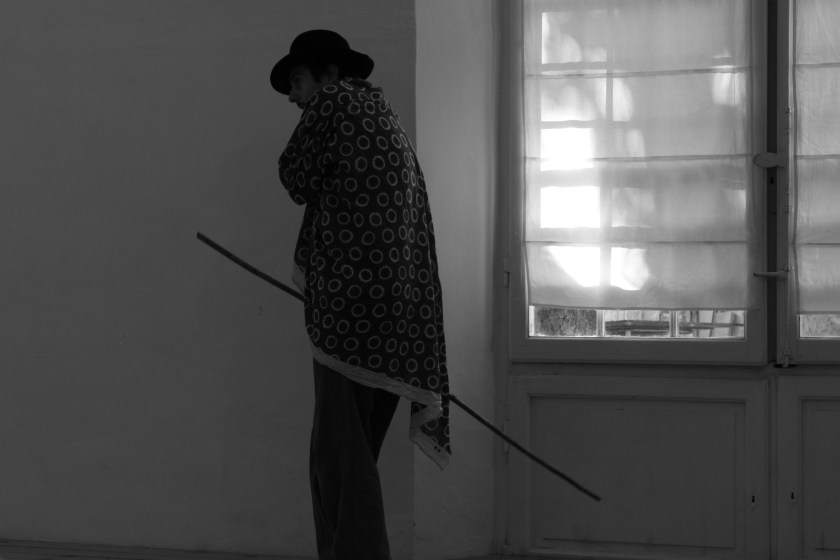
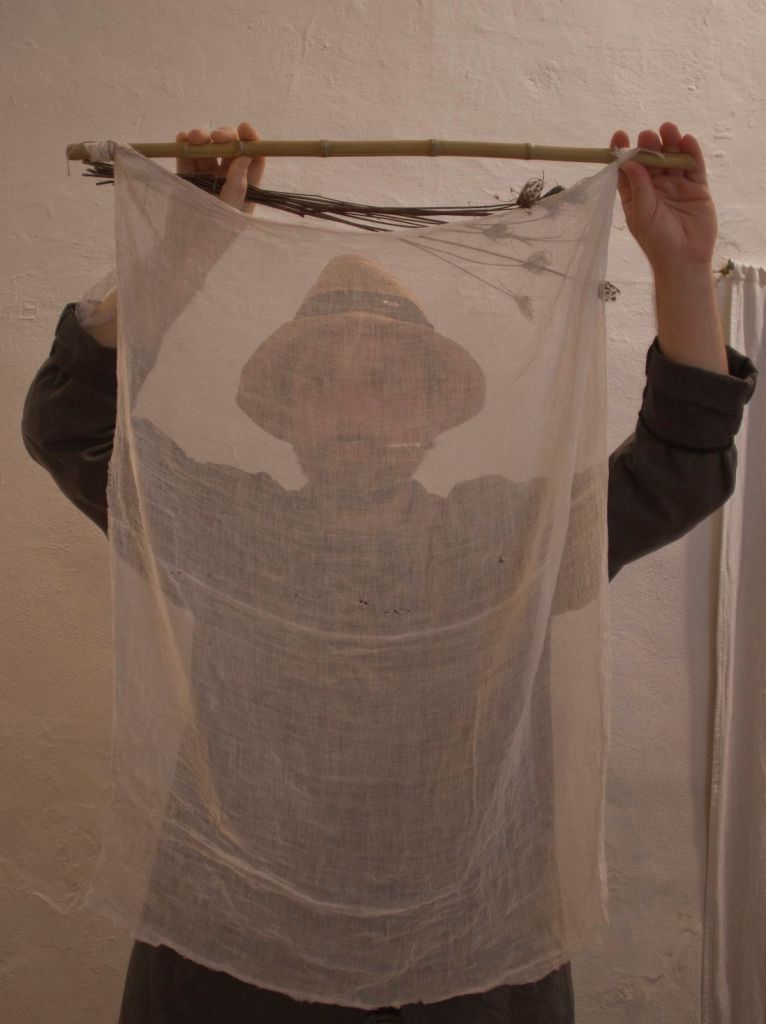
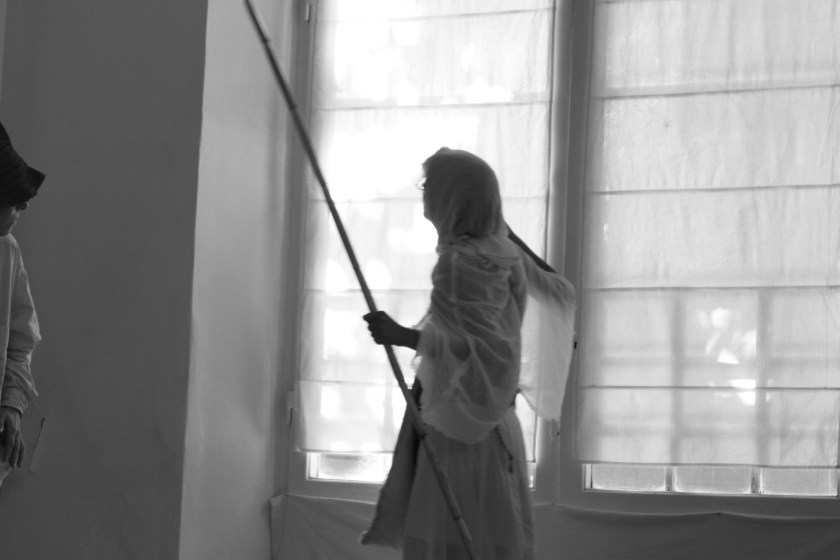
Un vecchio monaco che erra di qua e di là fluttuando nel vento come un tessuto leggero che si lacera con facilità, così si classifica il poeta giapponese Basho, appartenente al gruppo degli artisti che erano chiamati“furabo”: lunatici.*
Un lavoro sulle “piccole cose”, sullo stupore, sull’effimero, voci, respiri, suoni, gesti, quello che appare e sparisce.
Come incontrare il compagno? Come essere nella solitudine?
Testi: gli haiku stessi e i diari di viaggio di Basho e altri poeti giapponesi; oltre a questi, una raccolta di haijin (haiku scritti da donne) dell’ottocento e del novecento.
Al momento supremo della vita e della morte, buttiamo fuori un grido o ci mettiamo repentinamente ad agire, non argomentiamo, non ci lanciamo in un lungo discorso…*
*D.T.Susuki: Lo Zen e la cultura giapponese.
An old monk wandering hither and thither, floating in the wind like a light fabric that tears easily, this is how the Japanese poet Basho, classifies himself, belonging to the group of artists who were called ‘furabo’: lunatics.*
A work on ‘small things’, on stupor, on the ephemeral, voices, breaths, sounds, gestures, what appears and disappears. How to meet the companion? How to be in solitude?
Texts: the haiku themselves and the travel diaries of Basho and other Japanese poets; in addition to these, a collection of haijin (haiku written by women) from the 19th and 20th centuries.
At the supreme moment of life and death, we throw out a cry or abruptly take action, we do not argue, we do not launch into a long speech…*
*D.T.Susuki: Zen and Japanese culture.
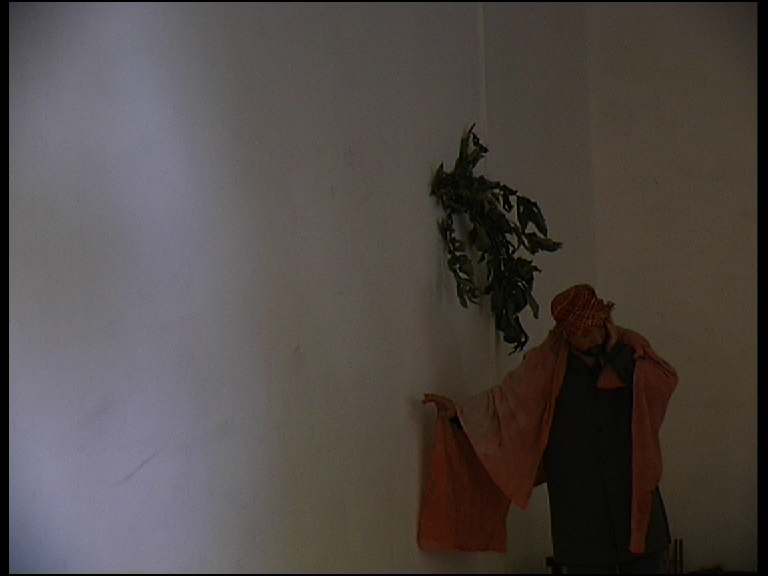
Le intemperie: vento, neve, pioggia, la qualità della luce, le emozioni che li invadono e poi spariscono, gli animali che attraversano il loro sguardo, i ricordi struggenti, l’andare, il guardare quello che sta sotto i loro occhi, la sensazione del tempo che passa, dell’effimero, e la percezione dell’estrema fragilità del vivere, quelli sono i piccoli eventi dei loro percorsi.
Mettere alla prova delle visioni, dei sogni, degli affetti, comporre piccole forme fugitive.
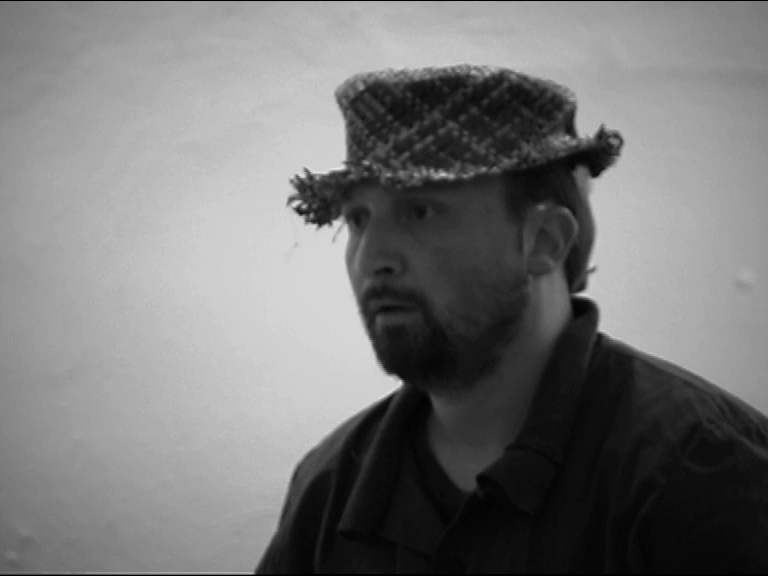
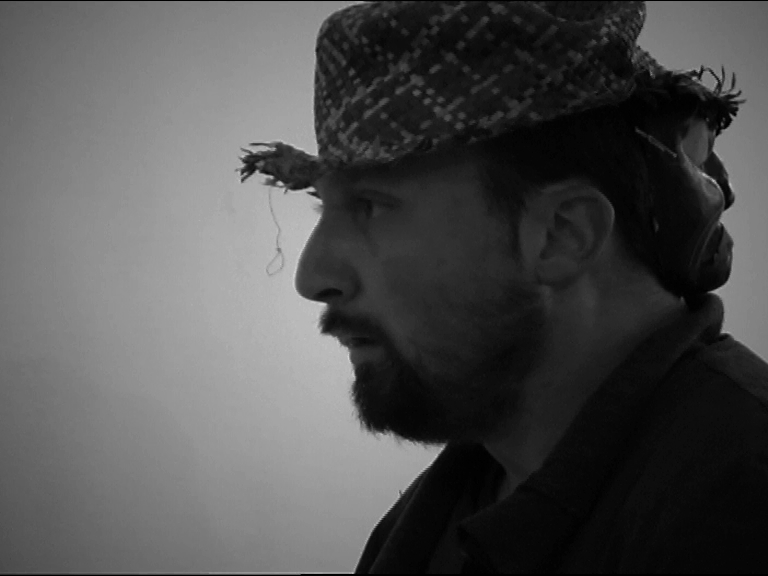
Il lavoro rigoroso e paziente porta verso l’abbandono, verso “l’aperto”; l’attore diventa un “denudato”, uno che non possiede più niente; l’attore sparisce, come sparisce il poeta errante, il pazzo di poesia, fluttuando come un tessuto leggero che si lacera nel vento.
The elements: wind, snow, rain, the quality of the light, the emotions that invade them and then disappear, the animals that cross their gaze, the poignant memories, the going, the looking at what is before their eyes, the sensation of time passing, of the ephemeral, and the perception of the extreme fragility of living, those are the small events of their journeys.
Challenging visions, dreams, affections, composing small fugitive forms.
The rigorous and patient work leads towards abandonment, towards the “open”; the actor becomes a “denuded”, one who no longer possesses anything; the actor disappears, just as the wandering poet, the madman of poetry, disappears, floating like a light tissue that tears in the wind.
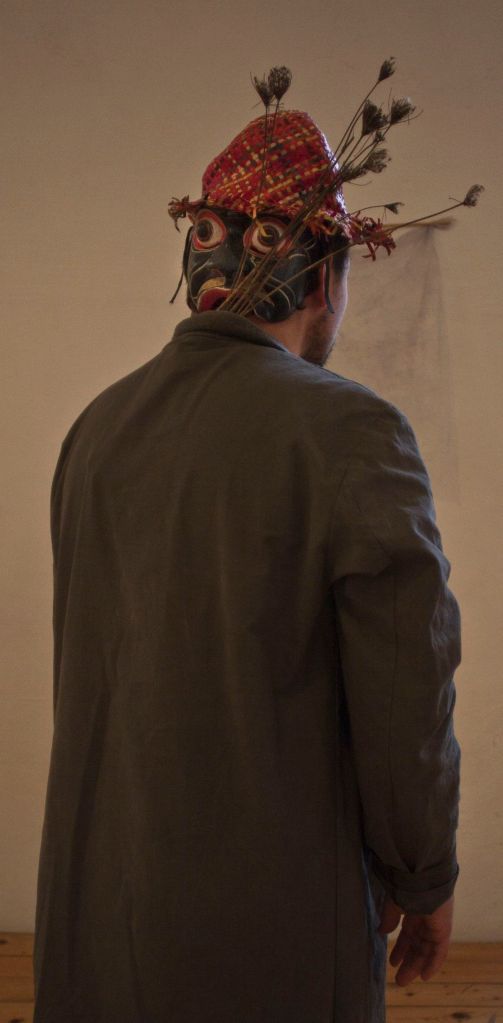
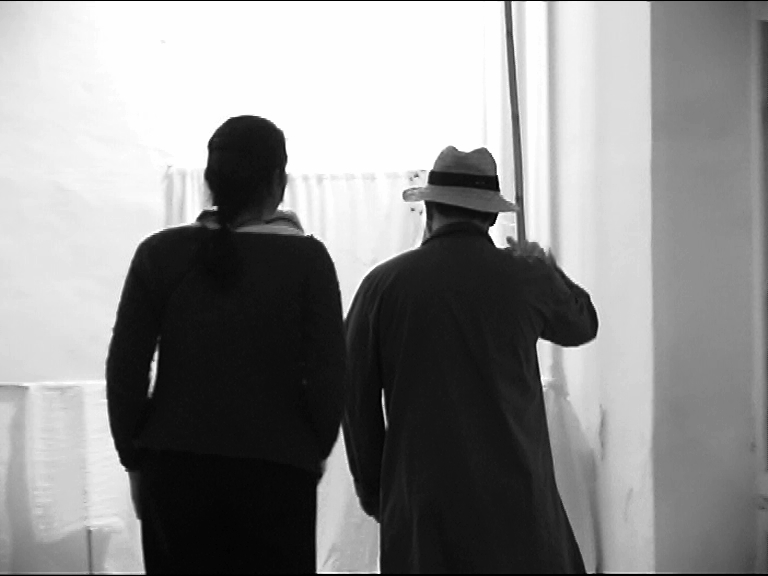
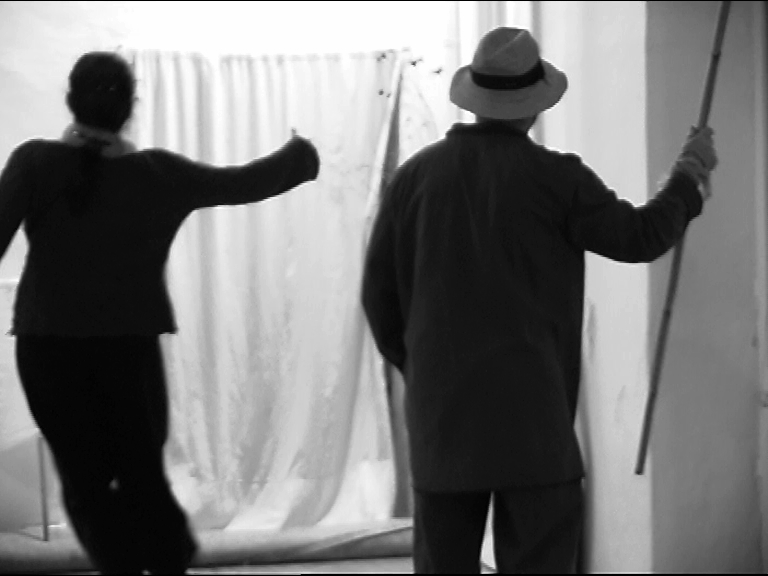
E’ mia questa figura di spalle
Che se ne va nella pioggia?
Is this my figure from his back
That goes away in the rain?





























 TEATRO DELLA PIOGGIA